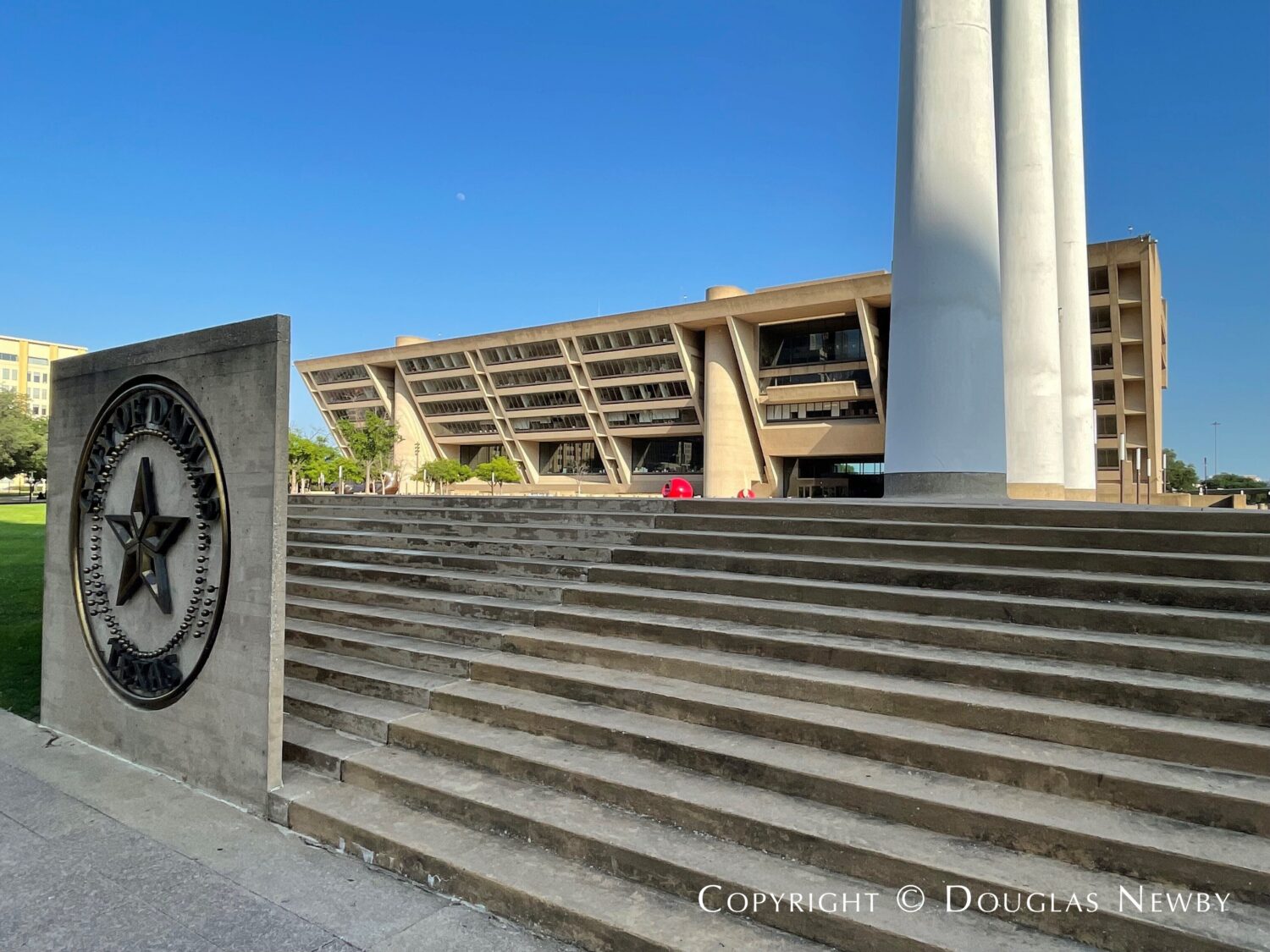
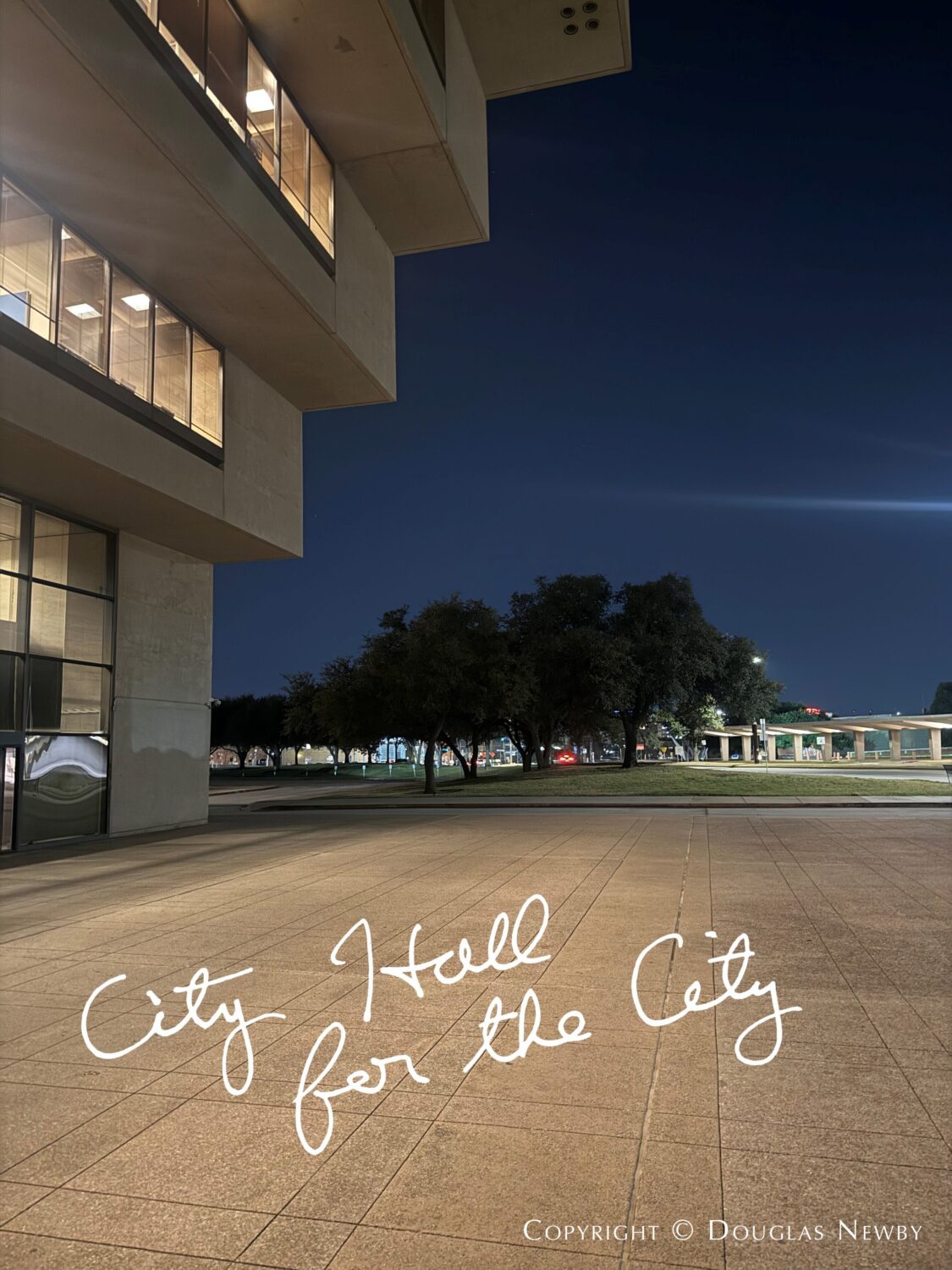
Dallas City Hall is not an office building for bureaucrats. It is an architecturally significant civic building designed specifically to promote the city and encourage the people of Dallas to propel the city to greatness. Designed by I. M. Pei, the building’s open floor plan, abundance of windows, and dramatic council chamber were conceived to make government visible and accessible.
All Seven Floors of Dallas City Hall have an Open Floor Plan

The open floor plan invites planners, neighborhood advocates, business leaders, the mayor, and city council members to see each other and interact. In contrast to other municipal buildings cloistered from the constituents, Dallas City Hall was designed so that civic life is on display rather than hidden behind walls and corridors.
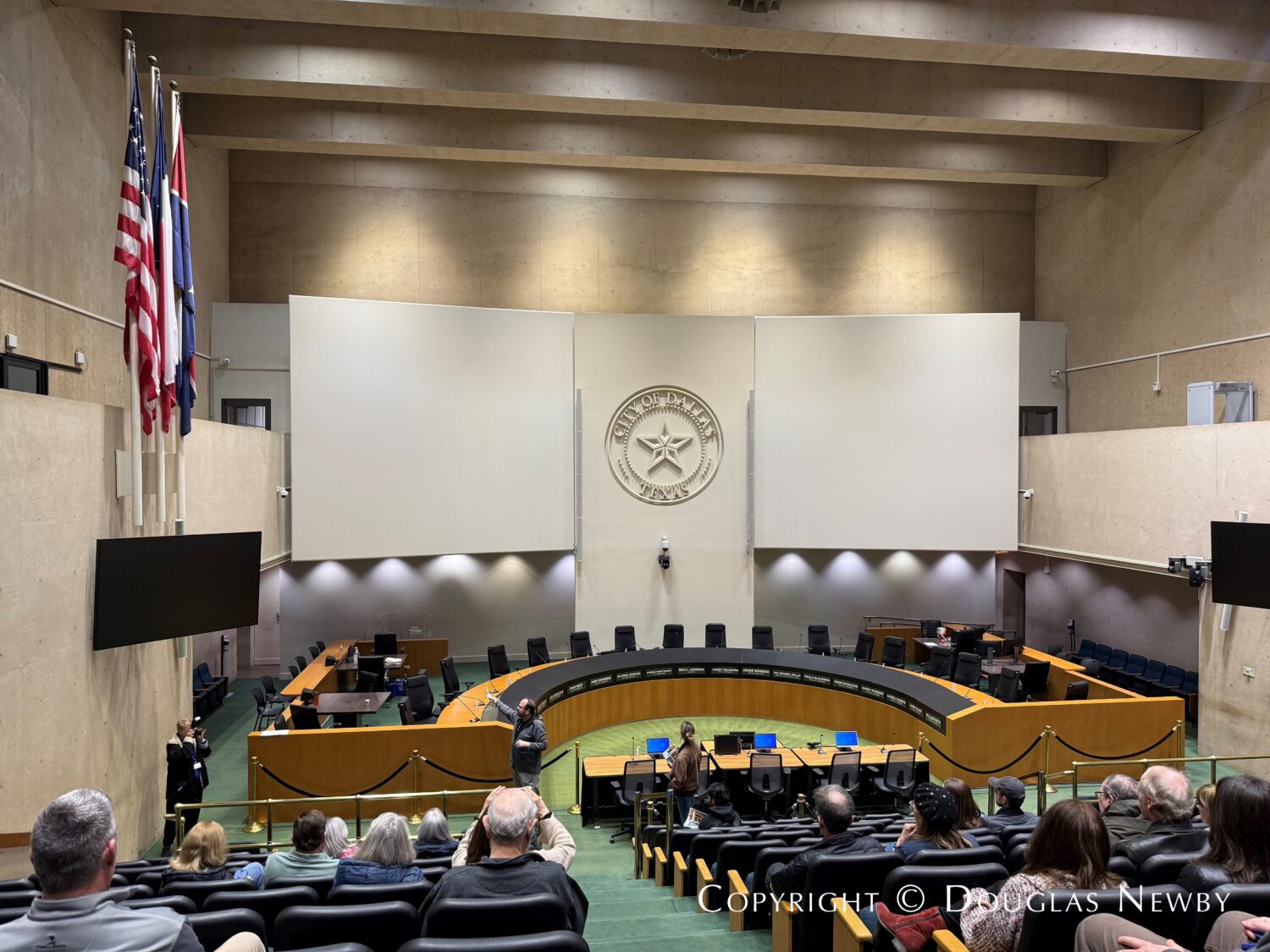
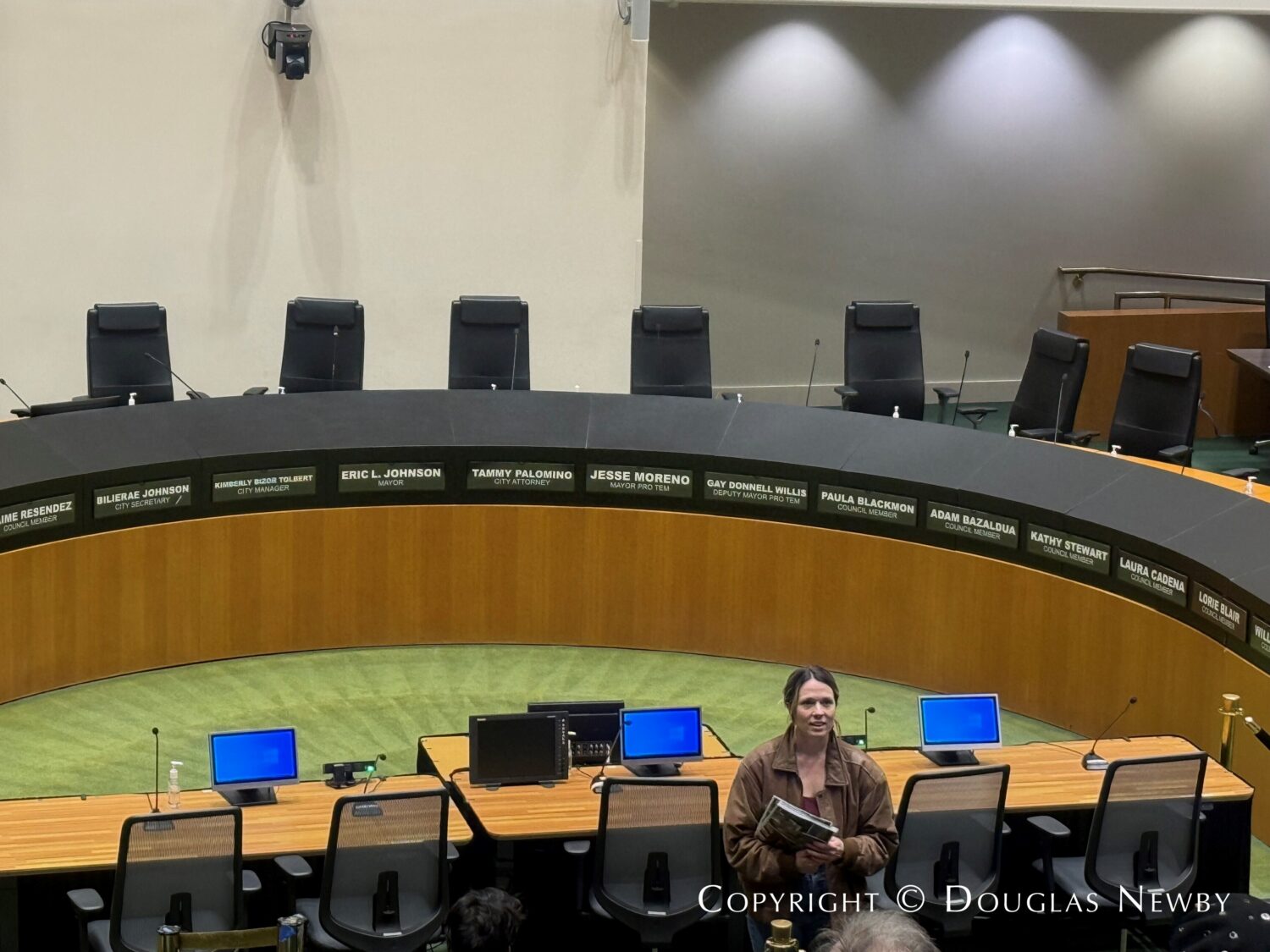
Dallas City Hall Council Chambers
In contrast to the Dallas County Commissioners Court, where the county judge presides with commissioners seated on an elevated dais above the audience, at Dallas City Hall the mayor and city council look up at a wall of those interested in the proceedings. The steep, stadium-style seating places citizens physically and symbolically above elected officials, reinforcing the building’s intention to make government accountable to the people it serves.
Dallas City Hall is the Same Age as Swiss Avenue Homes When Developers Wanted to Tear Them Down
The clamor to tear down City Hall is fueled by its need of repairs. Of course it needs repairs. It is a 50-year-old building, just like Swiss Avenue was 50 years old when it was made a historic district over the objections of developers who wanted to tear it down. The homes on Swiss Avenue did not just need remedial repairs. Each home needed a major renovation, bringing in the technology and materials of a new era.
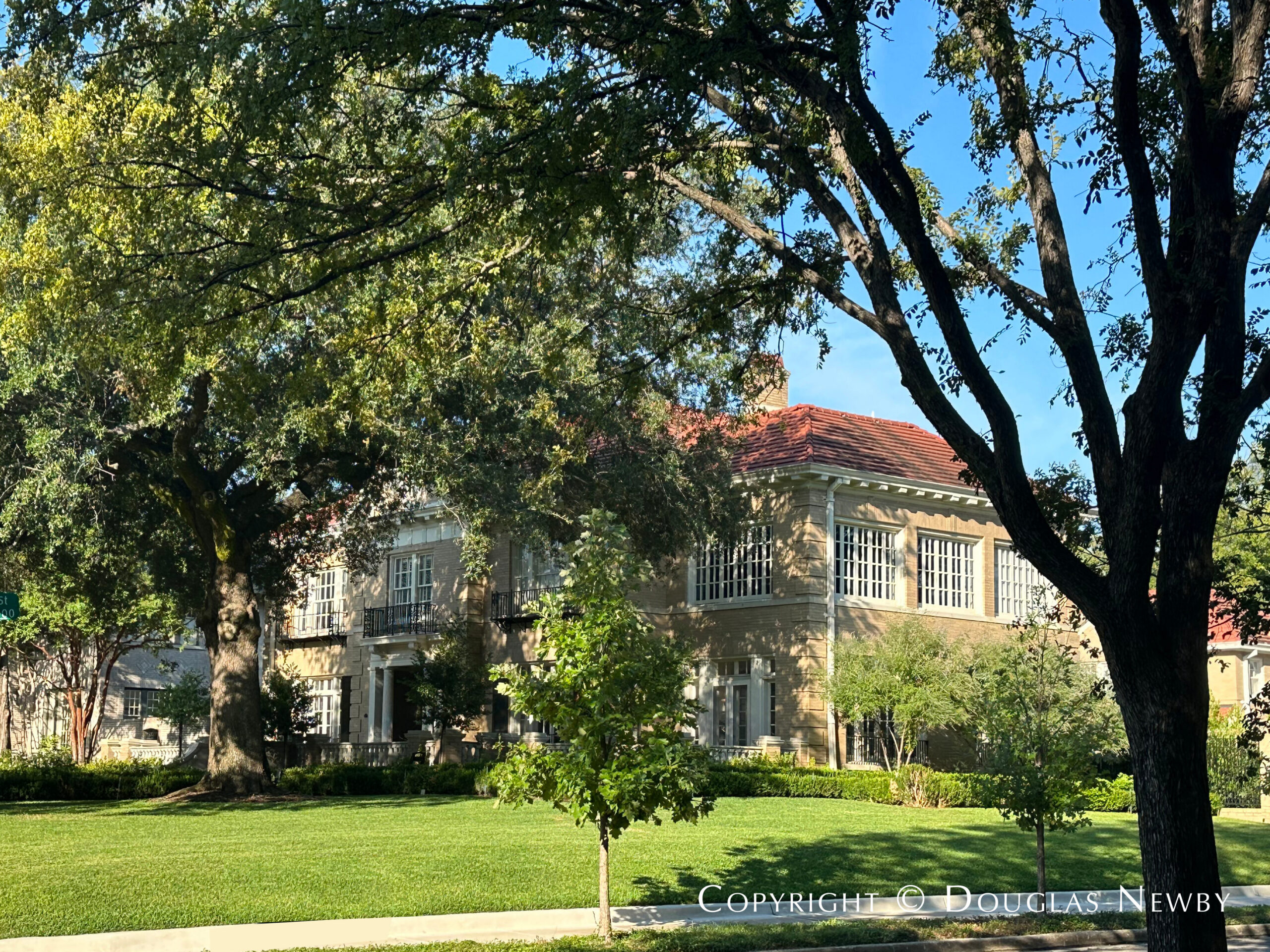
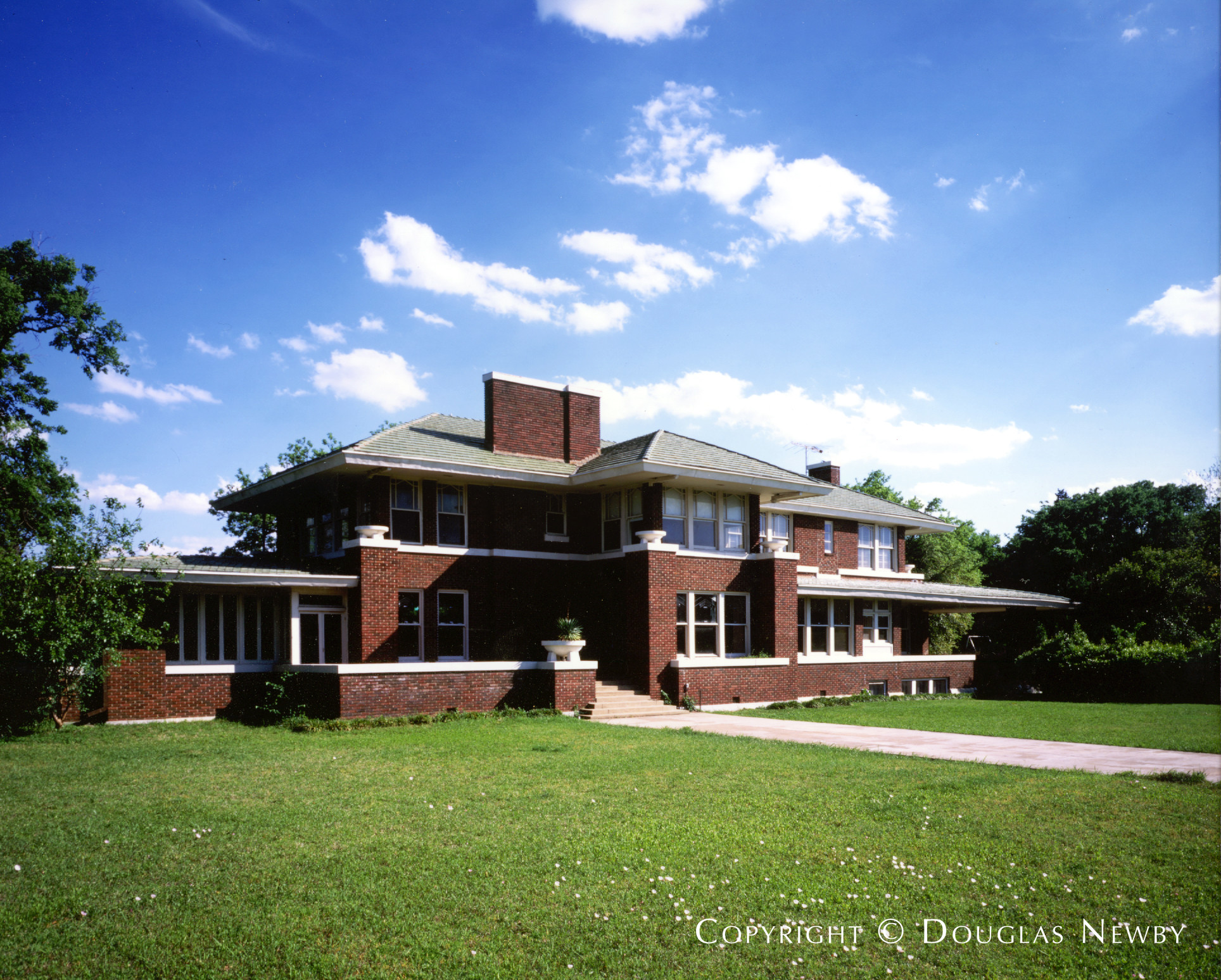
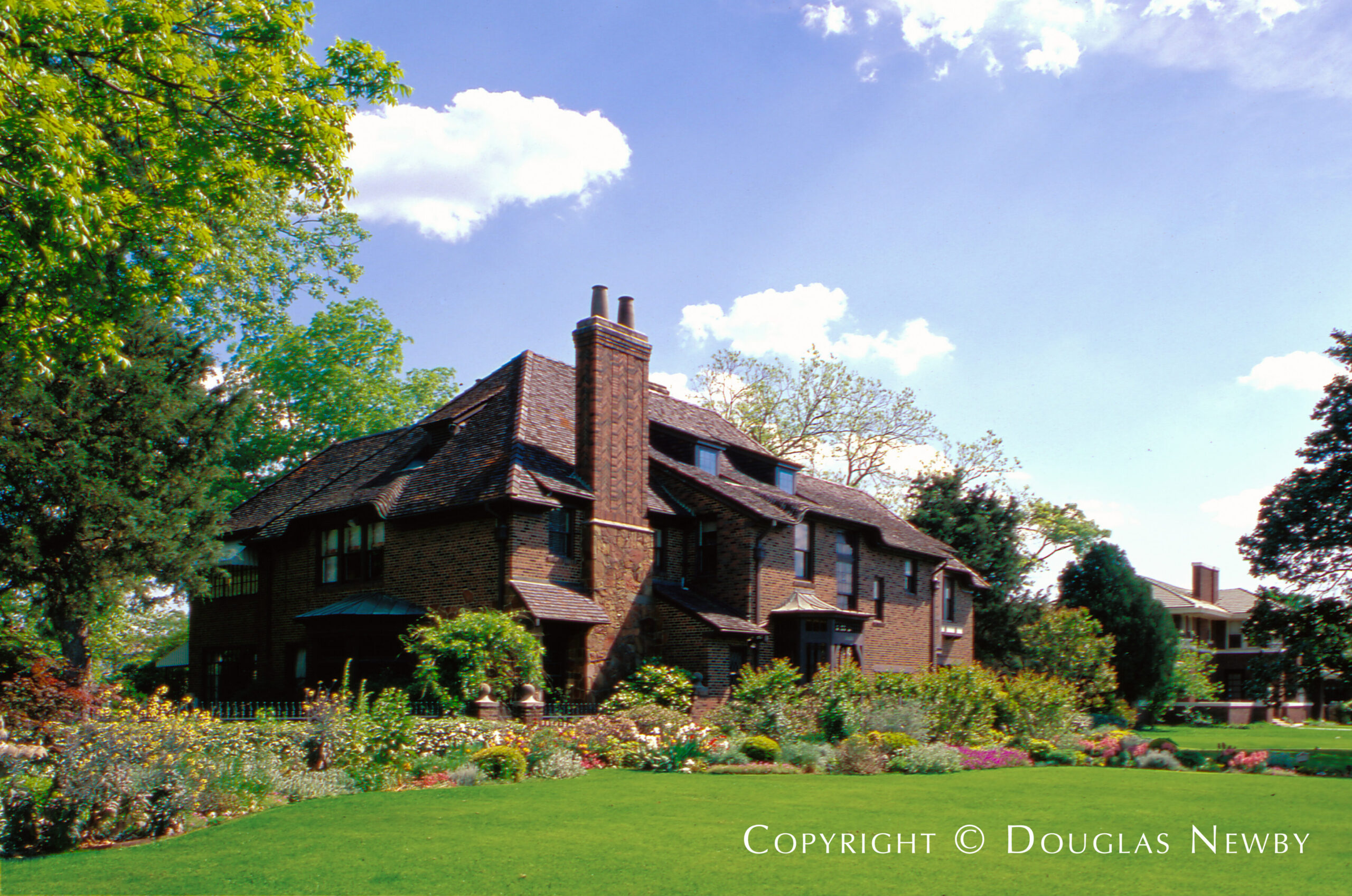
Like Swiss Avenue 50 years ago, the surfaces of City Hall are dingy, and makeshift partitions make some floors look more like the favelas of Brazil than the sleek contemporary office building that it is. Maintenance and cosmetic issues have been the focus. The focus of City Hall should be on the opportunity to bring modern technology to the building that would make the city of Dallas as transparent as the design of City Hall.

The 50th Anniversary of Dallas City Hall Should Bring 21st Century Technology and Design
Dallas City Hall is beautifully designed to capture 2028 technology and design. Color media walls integrated into the building could be installed to show where crime has recently taken place. Color media walls could show where potholes and road deterioration have been reported and images sent in. Color media walls could identify single-family homes, density, apartment complexes, residential high-rises, and low-income tax credit apartments throughout the city, along with retail, office towers and parks, to see how our city is configured and how it is evolving. Dallas City Hall could become the visual command center for citizens, elected officials and city staff. Digital boards might even be placed on the exterior of the building to convey the state of Dallas or broadcast public hearings on the plaza.
Dallas City Hall Captures the Majesty of Downtown Dallas
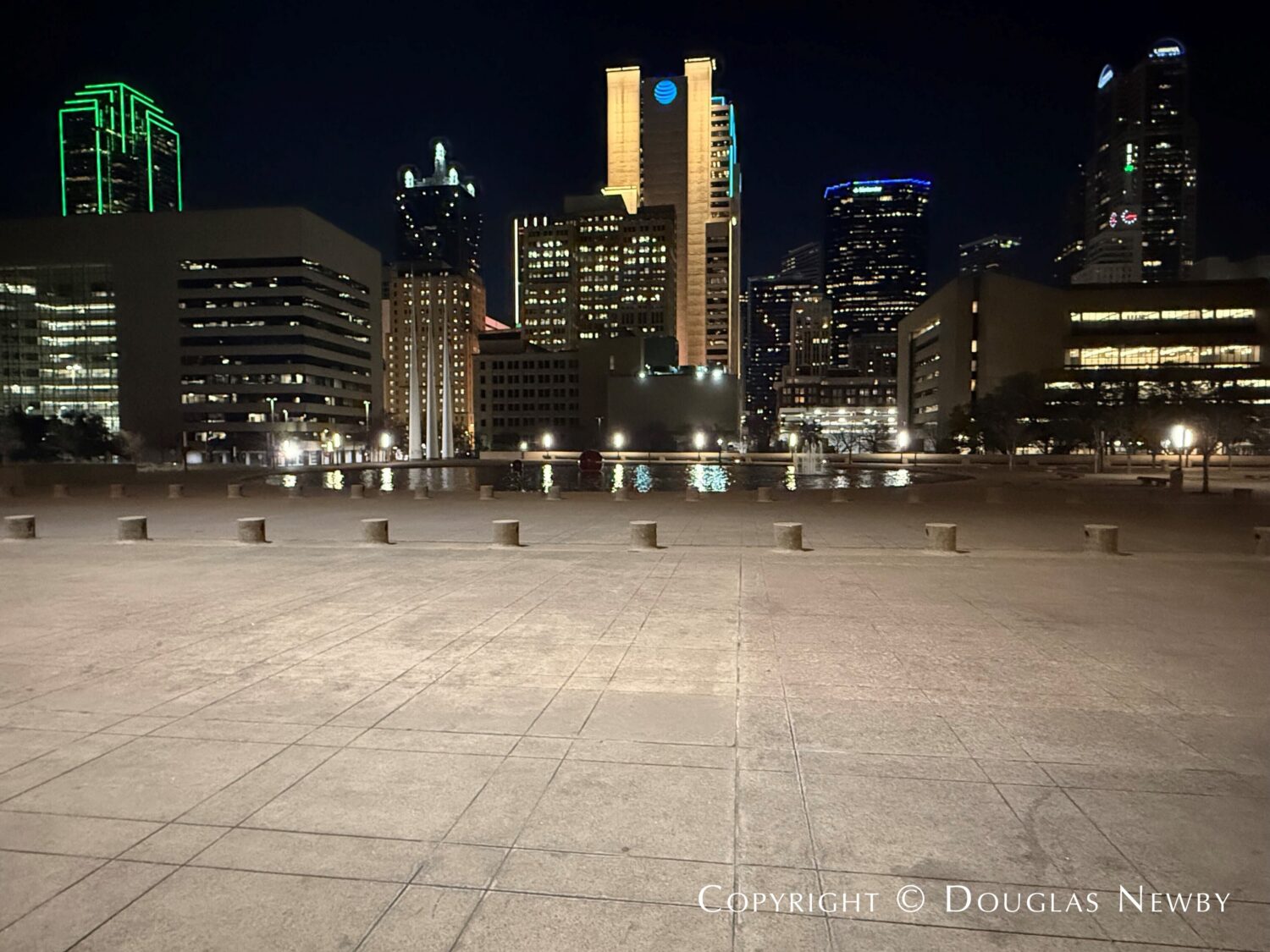
From the public lounge outside of Dallas City Hall Council Chambers or from the Mayor’s Office or from the desk of city staff, the view of downtown Dallas is inspiring.
Keep Dallas City Hall Open
A 50-year renovation can capture the full potential of this I.M. Pei designed city hall. Partitions could come down, and only the offices in which the public interacts could remain in the building, while the building’s biggest users, like the water department, could be moved to an office tower. Those calling for city hall to be moved to an aging vacant office tower miss the point of a city hall that can benefit the city rather than merely restrain and impose on its citizens.